
How To Make Barbecue Chicken Legs On The Grill
Making barbecue chicken legs on the grill requires the right combination of preparation, temperature control, and cooking technique. Because chicken legs contain bones and thicker muscle fibers, they need enough time for heat to reach the center while maintaining a flavorful and slightly crispy outer layer.
From an outdoor cooking equipment manufacturing perspective, consistent chicken leg grilling performance depends on barbecue grill design. Burner power, heat distribution, cooking grate materials, and temperature control systems all influence the final cooking result. A well-designed grill should support both high-temperature searing and controlled cooking for thicker cuts.
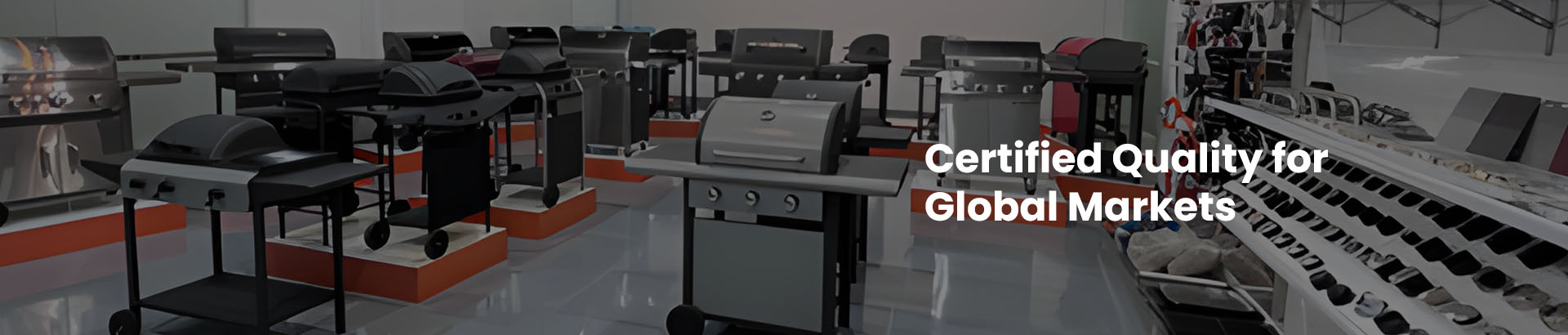
As a professional outdoor grill manufacturer, TOPGRILL specializes in gas BBQ Grills, charcoal BBQ grills, portable Gas BBQ Grills, planchas, and pizza ovens. The company operates an approximately 20,000 square meter factory with around 230 employees, provides OEM and ODM customization services, and exports outdoor cooking equipment to markets including Europe, South Africa, South America, Australia, and New Zealand. (TUORUI)
What Temperature Is Best For Making Barbecue Chicken Legs?
Temperature control is the most important factor when making barbecue chicken legs.
According to USDA food safety recommendations, poultry should reach an internal temperature of 165°F or 73.9°C before consumption. Measuring internal temperature with a food thermometer helps ensure safe cooking while avoiding unnecessary overcooking.
Recommended grilling conditions:
| Chicken Leg Type | Grill Temperature | Cooking Time |
|---|---|---|
| Small chicken legs | 190°C to 220°C | 20 to 25 minutes |
| Medium chicken legs | 175°C to 200°C | 25 to 35 minutes |
| Large chicken legs | 160°C to 190°C | 35 to 45 minutes |
Actual cooking time may change depending on:
Chicken size
Grill temperature stability
Outdoor weather
Heat distribution
Cooking method
A professional gas BBQ grill should provide stable heating performance to prevent the outside from burning before the inside is fully cooked.
Preparing Chicken Legs Before Grilling
Good preparation improves flavor, texture, and cooking consistency.
Select Suitable Chicken Legs
Chicken legs are naturally suitable for barbecue because they contain more fat and connective tissue than lean cuts.
Advantages include:
Better moisture retention
Richer flavor after grilling
Strong performance under longer cooking times
Season Before Cooking
Common seasoning methods include:
Dry rub seasoning
Barbecue marinades
Herb mixtures
Sauce-based preparation
Proper seasoning improves:
Flavor penetration
Surface color
Grilled appearance
Prepare The Grill
Before cooking:
Clean the cooking grate
Preheat the grill
Check burner performance
Confirm stable temperature
A reliable barbecue grill should create a consistent cooking environment before food is placed on the surface.
Step-By-Step Guide To Make Barbecue Chicken Legs On The Grill
Step 1: Preheat The Grill
Preheating helps create:
Better grill marks
Reduced sticking
More even cooking
Gas BBQ grills with efficient burner systems can provide faster heating and easier temperature adjustment.
TOPGRILL provides gas BBQ grills, Portable Gas BBQ Grills, and charcoal BBQ grills designed for different outdoor cooking applications. (TUORUI)
Step 2: Start With Direct Heat
Direct heat is useful for creating a flavorful surface.
It helps achieve:
Crispy chicken skin
Browning effect
Grilled aroma
However, chicken legs should not remain over strong flames for too long because the surface may burn before the internal temperature is reached.
Step 3: Use Indirect Heat For Finishing
After initial browning, move chicken legs to an indirect heat area.
This method helps:
Cook near the bone evenly
Maintain moisture
Reduce burning risk
A multi-burner barbecue grill allows users to create separate temperature zones for better cooking control.
Step 4: Apply Barbecue Sauce Properly
Many barbecue sauces contain sugar, which can burn quickly under high heat.
A better process is:
Cook chicken legs until nearly finished
Apply sauce during the final cooking stage
Allow the surface to caramelize slowly
This creates stronger flavor while maintaining a better appearance.
Why Barbecue Grill Design Affects Chicken Leg Quality
Chicken legs require stable heat performance, making grill engineering important.
| Grill Feature | Cooking Benefit |
|---|---|
| Multiple burners | Creates different heat zones |
| Stable flame system | Maintains temperature |
| Large cooking area | Supports more food |
| Durable grate | Handles frequent cooking |
| Heat-resistant structure | Improves service life |
A professional outdoor grill manufacturer must consider cooking performance during product development, not only appearance.
Gas BBQ Grill Vs Charcoal Grill For Chicken Legs
Both gas and charcoal grills can produce excellent barbecue chicken legs.
| Grill Type | Advantage |
|---|---|
| Gas BBQ Grill | Easy temperature adjustment |
| Charcoal BBQ Grill | Strong smoky flavor |
| Plancha Grill | Even surface cooking |
Gas BBQ grills are suitable for:
Fast operation
Stable temperature control
Easy maintenance
Charcoal grills are preferred when traditional smoky barbecue flavor is important.
Material Standards Used In BBQ Grill Manufacturing
Outdoor grills operate under demanding conditions:
High temperatures
Outdoor humidity
Frequent cleaning
Long-term exposure
Material selection directly affects durability.
| Component | Material | Purpose |
|---|---|---|
| Grill body | Stainless steel or coated steel | Structural durability |
| Burner | Stainless steel | Heat resistance |
| Cooking grate | Stainless steel or enamel-coated iron | Cooking performance |
| Control panel | Stainless steel | Outdoor protection |
A reliable BBQ grill manufacturer needs to balance:
Heat resistance
Corrosion protection
Product appearance
Manufacturing efficiency
Manufacturing Process Overview Of BBQ Grills
A stable production process helps maintain consistent grill quality.
Material Inspection
Factories inspect:
Metal quality
Component specifications
Surface conditions
Metal Fabrication
Main processes include:
Cutting
Forming
Welding
Surface treatment
Component Assembly
Production teams install:
Burners
Ignition systems
Cooking grates
Temperature controls
Functional Testing
| Quality Check | Purpose |
|---|---|
| Burner testing | Confirm stable heating |
| Gas system inspection | Ensure safe operation |
| Heat distribution testing | Improve cooking consistency |
| Structural inspection | Verify durability |
| Packaging inspection | Protect export products |
TOPGRILL states that it focuses on professional gas barbecue grill and charcoal grill manufacturing, with OEM and ODM customization services and international certifications including CE, LFGB, BSCI, and ISO-related quality systems. (TUORUI)
OEM And ODM Process For BBQ Grill Projects
Different markets may require different barbecue grill specifications.
A professional OEM and ODM process includes:
Requirement Analysis
Manufacturers evaluate:
Target market
Cooking applications
Product specifications
Material requirements
Product Development
Customization options may include:
Grill dimensions
Burner configuration
Cooking area
Exterior design
Packaging solutions
Sample Testing
Testing focuses on:
Heating performance
Structural stability
Safety requirements
Mass Production
Factories control:
Material consistency
Production procedures
Quality checkpoints
Delivery schedules
Factory-based OEM and ODM services provide stronger control over product consistency and product improvement.
Manufacturer Vs Trader: Why Factory Capability Matters
For barbecue grill projects, manufacturing capability directly influences product reliability.
A manufacturer controls:
Raw materials
Product engineering
Manufacturing processes
Quality inspection
Product improvement
A trader usually depends on external suppliers, which may reduce flexibility in:
Design adjustments
Technical communication
Quality tracking
Production changes
Direct cooperation with a manufacturer helps maintain consistency from product development to final shipment.
TOPGRILL positions itself as a professional outdoor grill manufacturer with OEM and ODM customization capabilities. (TUORUI)
Quality Control Checkpoints For BBQ Grills
Reliable outdoor grills require inspection throughout production.
Important checkpoints include:
| Inspection Area | Focus |
|---|---|
| Raw materials | Durability and consistency |
| Welding quality | Structural strength |
| Burner performance | Stable heating |
| Surface treatment | Corrosion resistance |
| Final assembly | Product reliability |
A complete quality control system helps maintain stable performance between production batches.
Bulk Supply Considerations For BBQ Grill Projects
For seasonal outdoor cooking products, production capability is essential.
Important evaluation factors include:
| Factor | Key Question |
|---|---|
| Factory capacity | Can production meet demand? |
| Quality consistency | Are repeat batches stable? |
| Customization ability | Can specifications change? |
| Export experience | Are regulations understood? |
| Packaging | Are products protected? |
A reliable manufacturer should provide stable supply capability and consistent quality.
Export Market Compliance
Outdoor cooking equipment supplied internationally requires attention to:
Product safety standards
Material requirements
Packaging regulations
Certification support
TOPGRILL exports outdoor cooking equipment to Europe, South Africa, South America, Australia, and New Zealand while supporting international market requirements through factory production and certification systems. (TUORUI)
Project Sourcing Checklist
Before selecting a barbecue grill manufacturer, consider:
| Evaluation Item | Key Question |
|---|---|
| Grill type | Is it suitable for chicken legs? |
| Temperature control | Can heat remain stable? |
| Materials | Are they suitable for outdoor use? |
| Burner system | Is heating consistent? |
| Quality system | Are inspection procedures available? |
| Customization | Can OEM requirements be supported? |
| Supply ability | Can production remain stable? |
Previous: How Do I Clean My Barbecue Grill