
How Long To Barbecue Tri Tip Gas Grill
Barbecuing tri tip on a gas grill requires accurate temperature control, proper preparation, and enough cooking time to achieve a tender texture while maintaining a flavorful crust. Unlike thinner steaks that cook quickly, tri tip is a larger cut of beef that benefits from slower cooking with controlled heat.
For outdoor cooking equipment manufacturers, this cooking method highlights the importance of stable burners, even heat distribution, reliable temperature control, and durable grill structures.
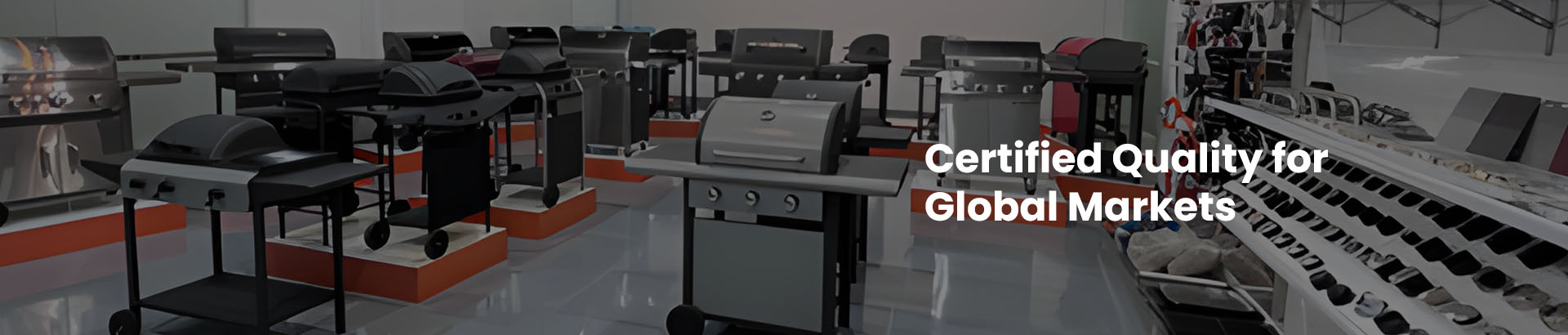
As a professional outdoor grill manufacturer, TOPGRILL specializes in gas BBQ Grills, portable Gas BBQ Grills, Charcoal BBQ Grills, Planchas, and pizza ovens. With approximately 20,000 square meters of factory space, around 230 employees, OEM and ODM customization capabilities, and international certifications including CE and LFGB, TOPGRILL develops outdoor cooking solutions for global markets. (TUORUI)
Recommended Cooking Time For Tri Tip On A Gas Grill
The cooking time for tri tip depends on:
Meat thickness
Grill temperature
Desired doneness
Resting time
Heat distribution performance
A typical gas grill cooking process includes two stages:
Slow cooking with indirect heat
High-temperature searing for the outer crust
| Cooking Stage | Temperature | Approximate Time |
|---|---|---|
| Slow roasting | 135°C to 160°C | 40 to 60 minutes |
| Searing | 230°C to 260°C | 3 to 5 minutes per side |
| Resting | Room temperature | 10 to 15 minutes |
Most tri tip pieces weighing around 1.5 to 2.5 kilograms require approximately 45 to 60 minutes of cooking time before resting.
The USDA recommends cooking whole cuts of beef to a safe internal temperature of at least 63°C followed by a resting period before serving. Monitoring internal temperature is more reliable than estimating cooking time only.
Prepare Tri Tip Before Grilling
Preparation directly affects the final texture and flavor.
Before placing tri tip on a gas grill:
Trim Excess Fat
A moderate fat layer helps maintain moisture, but excessive fat may create flare-ups.
Apply Seasoning
Common seasoning methods include:
Salt
Black pepper
Garlic seasoning
Dry rub blends
Bring Meat To Suitable Temperature
Allowing the meat to sit briefly before grilling helps create more even cooking.
For manufacturers designing gas BBQ grills, consistent heat distribution is essential because uneven temperatures can cause overcooked surfaces and undercooked centers.
Set Up A Gas Grill For Tri Tip Cooking
Tri tip is best cooked using a combination of indirect and direct heat.
A suitable gas grill setup includes:
| Grill Feature | Cooking Benefit |
|---|---|
| Multiple burners | Creates different heat zones |
| Adjustable controls | Improves temperature management |
| Heat diffuser | Supports even heat distribution |
| Large cooking area | Provides enough space for larger cuts |
A gas BBQ grill with independent burner control allows users to create a cooler area for slow cooking and a hotter area for final searing.
TOPGRILL gas BBQ grills feature burner systems and heat distribution structures designed for stable outdoor cooking performance. (TUORUI)
How To Know When Tri Tip Is Done
Cooking time provides an estimate, but internal temperature is the most accurate measurement.
| Doneness Level | Internal Temperature |
|---|---|
| Medium rare | Around 57°C to 60°C |
| Medium | Around 63°C to 68°C |
| Well done | Above 70°C |
After removing the tri tip from the grill, resting is important because it allows juices to redistribute throughout the meat.
Why Grill Design Affects Cooking Results
The performance of a gas grill depends on manufacturing quality.
Important design factors include:
Burner Performance
Reliable burners provide:
Stable flames
Consistent heat output
Better temperature control
Heat Distribution
A well-designed heat distribution system helps reduce:
Hot spots
Uneven cooking
Temperature fluctuations
Cooking Surface Quality
Cooking grates should provide:
Good heat transfer
Durability
Easy maintenance
These factors are determined during the manufacturing process.
Manufacturing Process Overview For Gas BBQ Grills
A professional gas grill manufacturer controls multiple production stages.
Material Selection
Factories inspect:
Stainless steel components
Metal thickness
Surface treatment materials
Metal Fabrication
The production process includes:
Sheet metal cutting
Forming
Welding
Surface finishing
Component Assembly
Workers install:
Burners
Ignition systems
Cooking grates
Control panels
Performance Testing
| Quality Check | Purpose |
|---|---|
| Gas system testing | Verify safety |
| Burner testing | Confirm flame stability |
| Heat testing | Check cooking performance |
| Assembly inspection | Ensure reliability |
| Packaging inspection | Protect transportation |
TOPGRILL uses ISO9001 management systems and conducts quality inspections before shipment to maintain product consistency. (TUORUI)
OEM And ODM Process For Gas Grill Projects
Different markets may require different grill specifications.
A professional OEM and ODM process includes:
Requirement Analysis
Manufacturers evaluate:
Cooking application
Market preference
Product size
Material requirements
Product Development
Customization options include:
Burner quantity
Grill dimensions
Cooking area
Exterior design
Packaging
Sample Testing
Samples are evaluated for:
Heating performance
Safety
Durability
User convenience
Mass Production
The factory controls:
Material consistency
Production efficiency
Quality standards
Delivery schedules
TOPGRILL provides OEM and ODM services for gas BBQ grills and charcoal grills, supporting customized product development for international markets. (TUORUI)
Manufacturer Vs Trader: Why Production Capability Matters
For outdoor cooking equipment, supplier manufacturing ability directly affects product quality.
A manufacturer can control:
Material selection
Product structure
Production process
Quality inspection
Design improvement
A trader usually depends on external factories, which may reduce flexibility in:
Product customization
Technical communication
Production adjustment
Quality tracking
Direct factory cooperation provides better control over product consistency and long-term supply planning.
TOPGRILL identifies itself as a professional manufacturer specializing in gas barbecue grills and charcoal grills, with export experience across Europe, South Africa, South America, Australia, and New Zealand. (TUORUI)
Quality Control Checkpoints For Gas Grills
Gas grills need strict quality control because they operate under:
High temperatures
Outdoor conditions
Frequent use
Repeated cleaning
Important inspection areas include:
| Inspection Area | Focus |
|---|---|
| Raw materials | Heat and corrosion resistance |
| Burner system | Stable gas combustion |
| Welding points | Structural strength |
| Surface coating | Outdoor durability |
| Final assembly | Product reliability |
A complete quality control system helps ensure stable performance during long-term use.
Bulk Supply Considerations For Outdoor Grill Projects
For seasonal products and large-volume programs, production capability is important.
Before selecting a supplier, evaluate:
| Factor | Key Question |
|---|---|
| Production capacity | Can order volume be supported? |
| Quality consistency | Are repeat batches stable? |
| Customization ability | Can specifications be adjusted? |
| Export experience | Are market requirements understood? |
| Packaging | Are products protected during shipping? |
A reliable manufacturer should provide stable production and consistent quality.
Export Market Compliance
Outdoor cooking equipment requires attention to international standards.
Important considerations include:
Product safety requirements
Material standards
Food-contact requirements
Packaging regulations
Certification documents
TOPGRILL highlights certifications including CE, LFGB, BSCI, and ISO-related quality systems for global market supply. (TUORUI)
Project Sourcing Checklist
Before selecting a gas grill supplier, consider:
| Evaluation Item | Key Question |
|---|---|
| Grill type | Is it suitable for target cooking styles? |
| Temperature control | Can heat remain stable? |
| Material | Is it suitable for outdoor environments? |
| Structure | Can it handle frequent use? |
| Quality | Are testing procedures available? |
| Customization | Can OEM requirements be supported? |
| Supply | Can production remain stable? |