
How To Barbecue Burgers on Gas Grill
Barbecuing burgers on a gas grill is one of the most popular outdoor cooking methods worldwide. Whether used for family gatherings, camping, or commercial outdoor kitchens, gas grills provide stable heat control and efficient cooking performance. Behind every reliable grill is a structured manufacturing process and strict quality control system. Understanding both the cooking method and the production standards of the equipment helps buyers and project purchasers choose the right grill supplier.
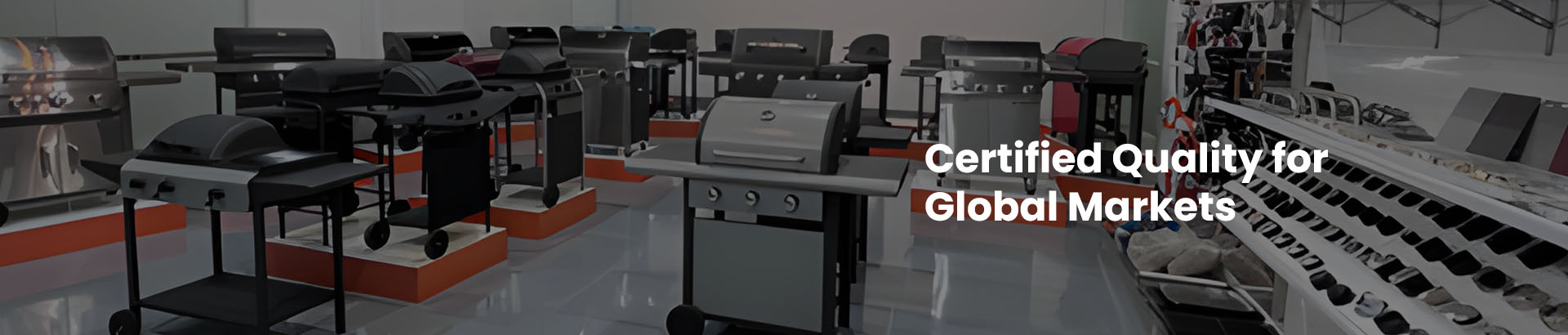
According to manufacturing information from the company’s official website, the grill producer operates a dedicated factory in Foshan, China with about 20,000 square meters of production space and around 230 employees, focusing on gas barbecue grills, charcoal grills, portable grills, and outdoor cooking equipment for export markets. The company follows ISO9001 quality management standards and its products carry certifications such as CE and LFGB, supporting global market compliance.
Preparing Burgers For Gas Grill Cooking
Before starting the grill, proper preparation ensures even cooking and better flavor.
Choose ground beef with a fat ratio around 80/20 to maintain juiciness during grilling. Form patties with a thickness of about 18–22 mm. This size allows the burger to cook evenly without drying out.
Seasoning should be simple. Salt and pepper are typically applied just before grilling to avoid drawing moisture from the meat. Pressing a small indentation in the center of the patty prevents the burger from bulging during cooking.
Preheat the gas grill for approximately 10–15 minutes until the temperature reaches about 200–230°C. A properly preheated grill ensures fast searing and prevents the meat from sticking to the grate.
Gas Grill Cooking Method For Perfect Burgers
Once the grill is preheated, burgers can be cooked using a two-zone heat method.
Direct Searing
Place the burger patties directly above the main burners. Gas grills usually use stainless steel burners and aluminum heat diffusers to distribute heat evenly across the cooking surface.
Cook the first side for about 3–4 minutes without pressing the patty. Pressing releases natural juices and reduces flavor.
Turning And Controlled Cooking
Flip the burger once the bottom develops a golden crust. Cook the second side for another 3–4 minutes.
For thicker patties, move the burger to a slightly lower heat zone to finish cooking. This indirect heat prevents burning while allowing the internal temperature to reach approximately 70°C for food safety.
Final Assembly
Add cheese during the last minute of grilling so it melts evenly. Toast the buns lightly on the grill surface for better texture. Assemble the burger with vegetables and sauces after removing it from the grill.
Why Grill Manufacturing Quality Matters
Cooking performance depends heavily on grill construction and materials. Professional grill manufacturers focus on structural durability and thermal stability.
Typical gas grill construction includes:
Cold-rolled steel lids with high-temperature powder coating
Stainless steel burners for corrosion resistance
Enamel-coated cooking grates for heat retention
Aluminum heat diffusers for uniform flame distribution
These materials maintain consistent heat and prevent deformation under high temperatures, which is critical for repeated commercial or heavy household use.
Manufacturer Vs Trader In Grill Procurement
For buyers sourcing grills in bulk or for retail distribution, distinguishing between manufacturers and traders is important.
A manufacturing factory typically controls the entire production chain including metal stamping, welding, assembly, and final inspection. This direct production capability ensures stable lead times and better cost control.
Factories also allow buyers to customize product structures, packaging, and specifications according to different market standards. In contrast, trading companies mainly coordinate supply and usually have limited control over production quality or engineering changes.
In the case of this grill manufacturer, the factory includes punching workshops, welding areas, and assembly lines capable of producing thousands of units monthly.
OEM And ODM Process For Grill Customization
Many outdoor cooking brands rely on OEM or ODM manufacturing partnerships.
Typical OEM/ODM workflow includes:
Product concept confirmation
Structural design and engineering drawing
Material selection and component testing
Prototype production and safety verification
Mass production scheduling
Packaging and export preparation
Through this process, distributors and retailers can launch private label grill products with custom appearance, burner configurations, and packaging designs tailored for different markets.
The manufacturer provides OEM and ODM customization to meet regional consumer requirements and seasonal retail demands.
Bulk Supply Considerations For Grill Buyers
When purchasing grills in large quantities, several procurement factors must be evaluated.
Production capacity is one of the most critical indicators. For example, a factory with multiple assembly lines can produce hundreds to thousands of units daily, supporting seasonal demand peaks.
Packaging efficiency also influences logistics costs. Compact packaging design allows higher container loading quantities, reducing freight cost per unit.
Lead time normally ranges from 45 to 60 days depending on order volume and production scheduling.
Manufacturing Process Overview
The production of gas grills generally includes several industrial stages:
Metal sheet stamping and cutting
Frame welding and structural assembly
Surface treatment and powder coating
Burner and ignition component installation
Functional testing and heat performance verification
Final assembly and packaging
Each step ensures the grill maintains structural strength, heat stability, and long-term outdoor durability.
Quality Control Checkpoints
Strict quality inspection is necessary for safety-critical outdoor appliances.
Typical inspection checkpoints include:
Raw material thickness verification
Welding strength inspection
Burner ignition reliability test
Gas leak detection
High-temperature endurance testing
Final assembly inspection before shipment
Professional factories implement multiple quality inspections before shipment to ensure product reliability.
Export Compliance And Certification Standards
Outdoor grills sold in international markets must comply with safety and material standards.
Common export certifications include:
CE safety certification for European markets
LFGB food-contact material compliance
ISO9001 manufacturing management system
These certifications demonstrate that the grill meets safety, hygiene, and manufacturing standards required by international distributors and retailers.
Conclusion
Barbecuing burgers on a gas grill is simple when proper cooking techniques and high-quality equipment are used. Stable temperature control, durable grill materials, and efficient burner systems all contribute to better cooking results.
For distributors, retailers, and project buyers, choosing a manufacturer with strong production capacity, complete quality control procedures, and export certifications ensures reliable supply and consistent product performance. Professional grill factories with OEM and ODM capabilities can support bulk orders, customized designs, and global market compliance, making them suitable partners for long-term outdoor cooking equipment sourcing.
Previous: How To Barbecue Steaks on A Gas Grill