
What Are The Benefits And Limitations Of Built-in Vs Freestanding Outdoor Grills?
Choosing between built-in and freestanding outdoor grills affects cost, flexibility, performance, installation, and long-term usability. The right choice depends on how permanent your setup is, how you cook, and how much adaptability you need over time.
Below is a clear, buyer-oriented comparison used by homeowners, hospitality operators, and procurement teams.
1. Built-In Outdoor Grills
Built-in grills are designed to be permanently installed into an outdoor kitchen island or masonry structure.
Benefits
✅ Integrated, High-End Appearance
Seamless fit with countertops and cabinetry
Strong visual appeal for luxury homes, resorts, and premium venues
Enhances property value and outdoor kitchen aesthetics
✅ Higher Cooking Performance Potential
Often feature larger fireboxes, heavier lids, and thicker materials
Better heat retention and thermal stability
Designed for frequent or extended cooking sessions
✅ Space Efficiency in Fixed Layouts
No cart footprint
Clean, uncluttered cooking zones
Ideal when layout is already finalized
✅ Commercial & Hospitality Preference
Suited for hotels, resorts, and high-end residential projects
Easier to integrate with gas lines and ventilation planning
Limitations
❌ No Mobility
Cannot be relocated or repositioned
Layout mistakes are costly to correct
❌ Higher Total Cost
Grill unit + island construction + installation
Gas, electrical, and ventilation work often required
❌ Longer Installation Timeline
Requires planning, permits, and skilled labor
Not suitable for quick or seasonal setups
❌ Harder Replacement
Changing grill models may require structural modification
2. Freestanding Outdoor Grills
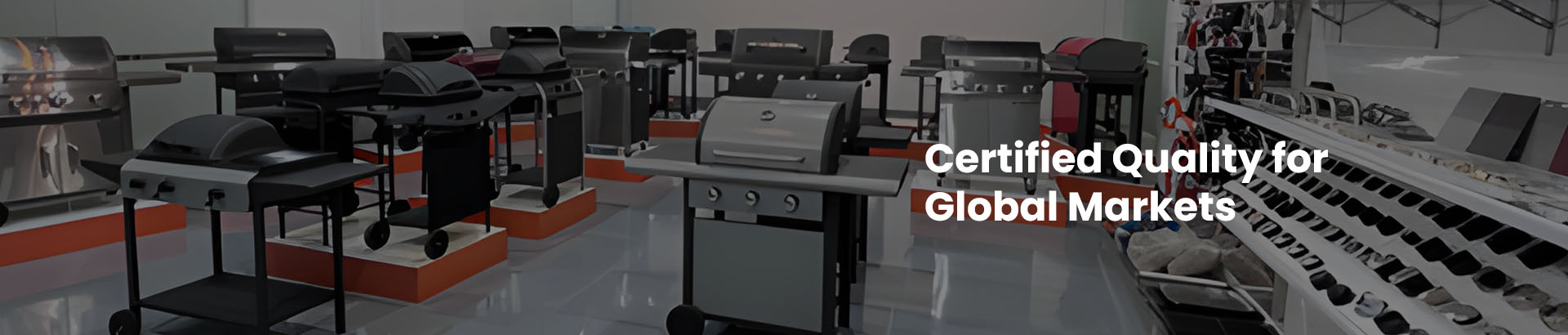
Freestanding grills include a self-contained cart or base, allowing flexible placement and easy relocation.
Benefits
✅ Maximum Flexibility
Can be moved to follow sun, wind, or space needs
Easy to store or reposition seasonally
Ideal for renters or changing layouts
✅ Lower Upfront Cost
No masonry or permanent installation required
Faster setup with minimal labor
✅ Easy Replacement & Upgrades
Swap models without structural changes
Easier to adopt new features or technologies
✅ Broad Model Availability
Wider selection across price points
More options for fuel type, size, and accessories
Limitations
❌ Visual Presence
Carts may look bulky or less integrated
Less suited for luxury or architectural outdoor kitchens
❌ Space Consumption
Cart footprint reduces usable patio space
Storage and side shelves increase width
❌ Lower Structural Mass (Typical Models)
Some freestanding units use lighter materials
Can have less heat retention compared to heavy built-ins
❌ Exposure Risks
Wheels, shelves, and frames are more exposed to weather
Requires covers or sheltered placement
3. Side-by-Side Comparison
| Factor | Built-In Grills | Freestanding Grills |
|---|---|---|
| Installation | Permanent | Plug-and-play |
| Mobility | None | High |
| Initial cost | Higher | Lower |
| Aesthetic | Seamless, premium | Functional, visible |
| Layout flexibility | Low | High |
| Upgrade ease | Difficult | Easy |
| Space efficiency | High in fixed kitchens | Requires cart space |
| Hospitality use | Very common | Limited |
| Rental suitability | Poor | Excellent |
4. Which Should You Choose?
Choose a Built-In Grill if:
You are building a permanent outdoor kitchen
Visual integration and property value matter
You cook frequently or entertain often
The layout is finalized and long-term
Choose a Freestanding Grill if:
You want flexibility and portability
You rent or expect layout changes
Budget and fast setup are priorities
You plan to upgrade or replace grills over time
5. Hybrid Approach (Increasingly Popular)
Some buyers use:
A freestanding grill initially
Then convert to a built-in unit later
This reduces risk while allowing future upgrades once usage patterns are clear.